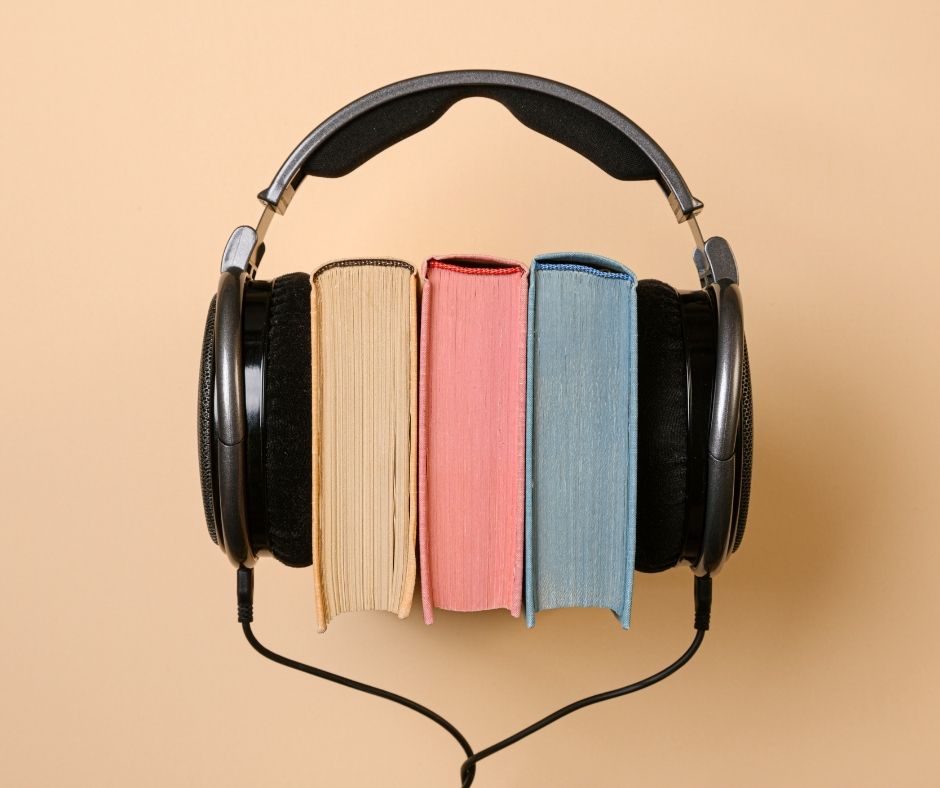
A cognitive neuroscientist from the Harvard Graduate School of Education claims that the overall learning process is the same whether you’re reading a hardcopy book or listening to a story. The cognitive specialist says that people often have their own preferences regarding modality or means of experiencing a story. However, preferences and learning processes are distinct and separate issues. This is why this neuroscientist believes it’s just as good to listen to audiobooks as it is to read hard copies.
As much as 40% of the U.S. adult population disagrees, stating that they think using audiobooks is less rigorous than reading hard copies. In fact, most people in this category say that they do not believe audiobooks qualify as “real” reading. Many authors today offer their novels in audio form; if you’re writing a book, it’s a good idea to learn more about it to determine whether you think audio fiction is a book form you’d like to pursue.
Audiobooks enable readers to learn by listening
Written and oral language skills develop through complex neurological processes. The areas of the brain that support such development become engaged whether someone is reading a printed book or listening to an audiobook. The part of the brain that is active when processing written words also becomes activated when listening to an audio recording because people usually visualize the stories they are hearing.
Listening to audiobooks is a good fit for readers who like to hear voices and sound effects in conjunction with a story. This style of reading is also helpful for people who want to read but don’t have a lot of free time. You can listen to audio while driving, taking a walk, cleaning the house, etc.
Librarian says listening to stories is a gateway to reading
One librarian who advocates audiobooks as a legitimate form of reading says that she believes recorded stories are often a gateway to printed books, especially for young readers. She says she often observes children starting out with audio stories then gravitating toward the printed versions of the same books.
An educational linguist from a prestigious school explained that both printed stories and audiobooks invite readers (or listeners) into new (fictional) worlds. Both forms of reading provide information or knowledge, as well as various forms of language. This linguist recommends that parents of children who struggle to read printed books offer them audiobooks alongside the printed versions. This can act as an incentive and motivate kids to boost their reading skills.