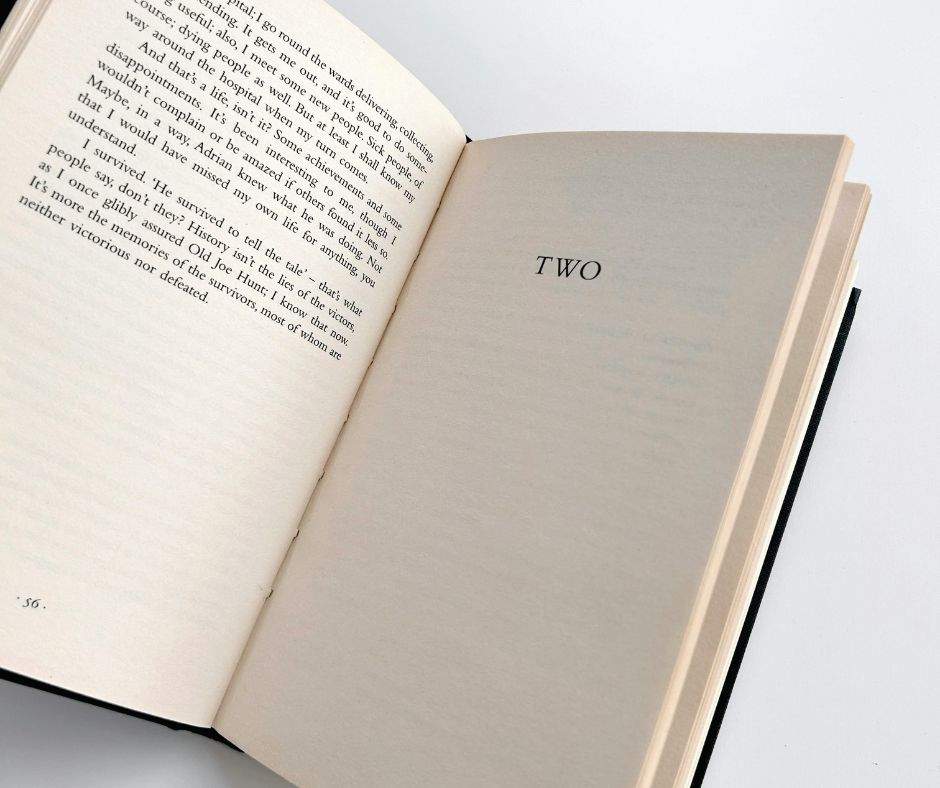
Have you ever read a Christian fiction novel that “left you hanging” at the end? Perhaps the author left a major issue unresolved or didn’t connect all the dots on the relationship between the two main characters. Maybe there were just too many questions left unanswered. At any rate, you walked away feeling like there should have been a sequel. The term “duologies” refers to literary pairs or 2-book series.
In this post, you’ll read a basic overview of each of the three types of duologies. You’ll also discover several helpful tips for writing one. As an author, you never want to leave your readers feeling like you didn’t give them enough. The trick is to leave them feeling satisfied while wanting to read more of your books.
There are 3 main types of duologies
The following list provides a brief description of three kinds of duologies:
- Single-story, split: This type of duology enables an author to stretch a long story across two separate books. The end of the first novel will have a “to be continued” feel.
- Middle ground: Think of a middle ground duology like two acts of the same play. It’s different from a single-story split because the main issues and questions are, in fact, resolved in the “first act,” but there’s room for further exploration and a few conflicts or mysteries to settle in the second book.
- Companion novel: While companion novels meet the criteria for duologies because there are two separate books, they are unique in that each book can be read on its own without missing a part of the story. The same characters, places, or other details might overlap between novels, but the stories stand alone.
If you read Book One and feel like you need Book Two to “finish the story,” then the pair is not a companion novel. All duologies include two books; yet each type is slightly different from the others.
Tips for writing a 2-book series
While it’s possible to be two-thirds of the way through writing a manuscript and suddenly think, “I’m going to need a second book!”, it’s always best to think ahead. Keeping the tips shown in this next list in mind can be helpful when writing duologies:
- Make sure the first book leaves readers satisfied, not unsettled or disappointed.
- Try to make the second book even more enthralling than the first—avoid the mediocre “It was okay but not as good as the first” dilemma.
- Think things through and try to have an idea of the story as a whole before writing Book One.
Duologies are less daunting to write than trilogies or longer series. Consider making your next Christian fiction novel a 2-book set.