Is it possible to earn a decent living as an author without hitting the best-seller list? Yes, it is, if you’re good at what you do. If you’re a prolific author and consistently provide quality material for your readers, you can build a loyal fan base even if your name isn’t in the Top Five on the NYT’s best-seller list. There are several writing tips that can help you achieve success.
If you’re launching at least one or more books per year, you may consider yourself a prolific author. To sustain the pace and, perhaps, improve your chances of “making it big,” it’s a good idea to try some of the writing tips mentioned in this blog post. Whether you’re a novice or have several book titles under your belt, there’s always room for improvement.
Use these writing tips to keep readers coming back for more
The best writers are avid readers; so, if you’re not reading a vast genre of books on a regular basis, you’ll want to start right away. You don’t have to restrict your reading to your specific writing genre; in fact, it’s far more beneficial to read stories in a wide variety of categories. In addition to reading more books, try putting some of these writing tips to good use:
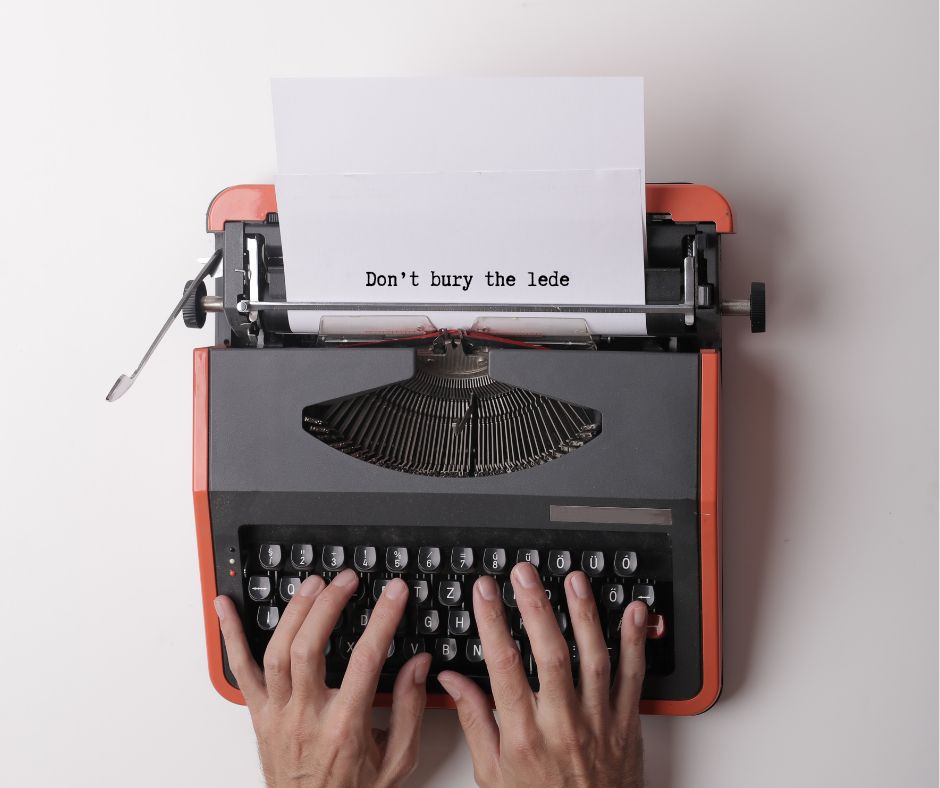
- Don’t bury the lede; instead, let your readers know early on (even in the first few paragraphs) where a story is headed.
- Limit paragraphs to three to five sentences.
- Use simple words and descriptions; readers shouldn’t have to use Google to get through a story.
- Present a story in a structured way that makes sense to the average person.
- Ask yourself what would happen if you omitted a particular sentence or paragraph; if you determine that the story wouldn’t change at all, then delete that section.
The typical reading level for an average adult in the U.S. is seventh to eighth grade. These writing tips can help you present a story in a way that is easily understandable and relatable to your readers.
Christian fiction fans like things to be simple and clear
Imagine two yard sales on the same street. One is a cluttered mess with random unmarked items strewn across tabletops and stuffed in boxes and bins. The other is neat and organized, with prices clearly labeled and items arranged in categories. Wouldn’t you be more likely to shop at the latter rather than the former?
The same goes for stories. The writing tips shared in this blog post can help you avoid unstructured clutter and messiness, so that readers will feel at ease and want to stay with a story until the end.